Cart
0
🌿 Your order supports a greener planet!
You may also like
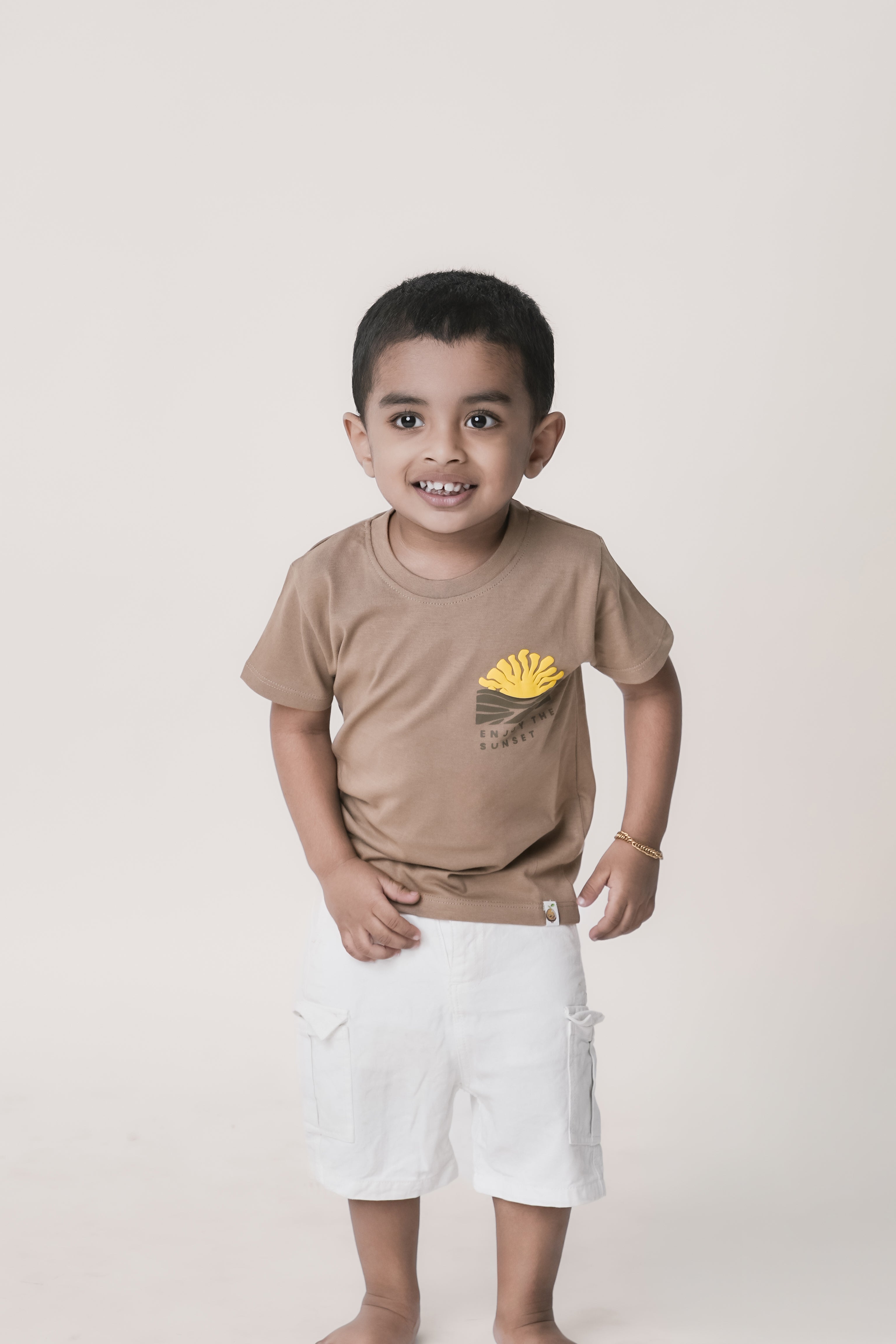
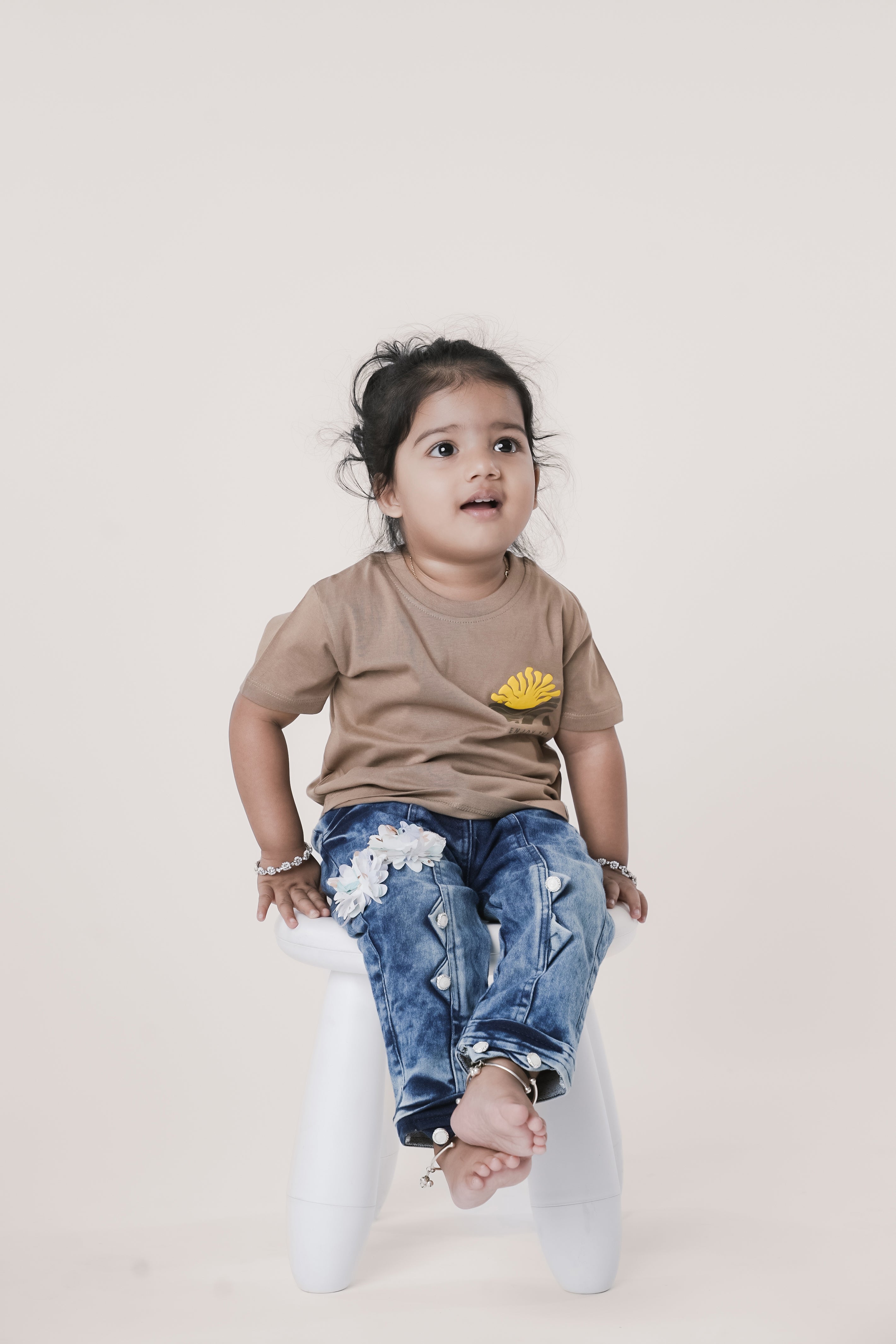
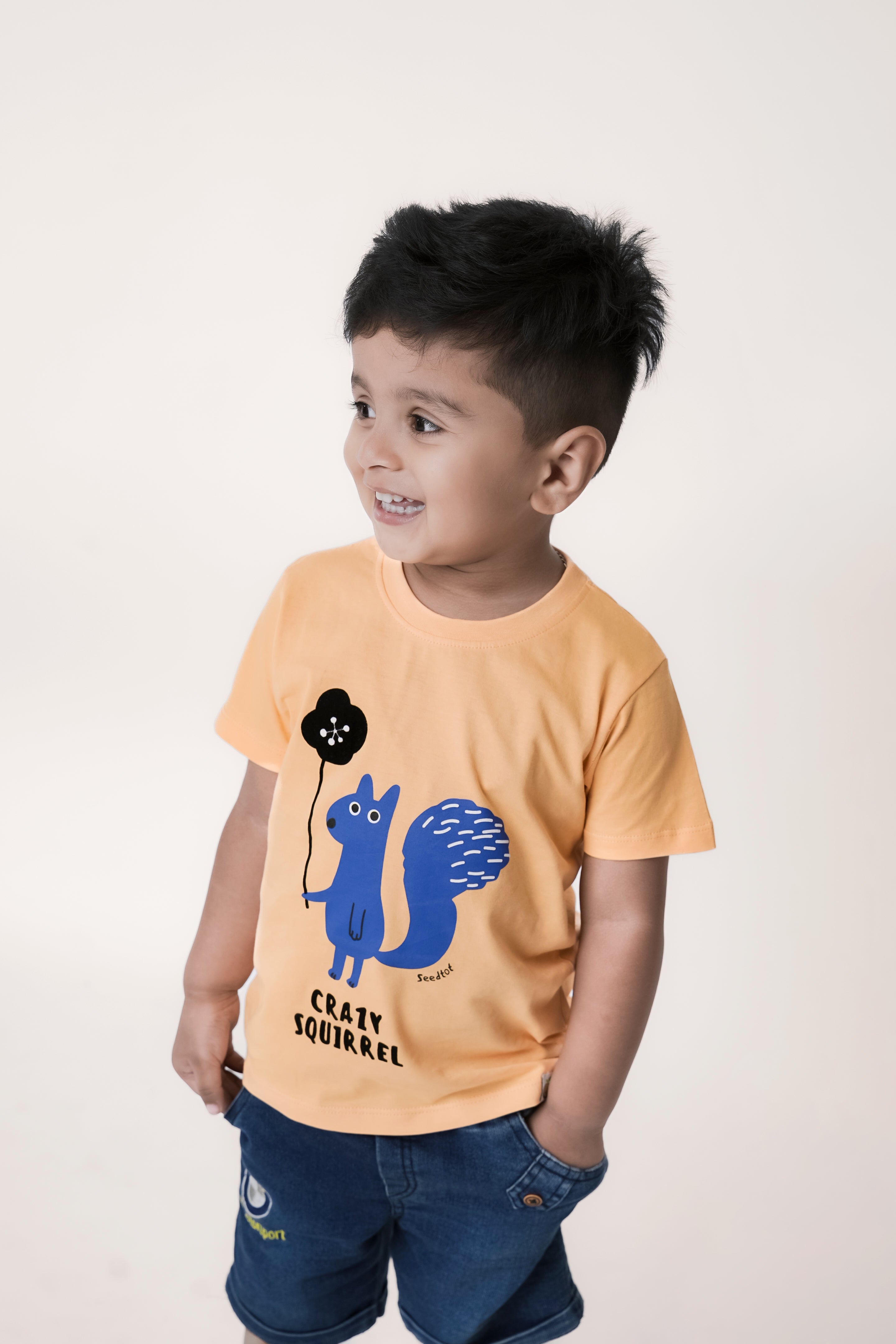
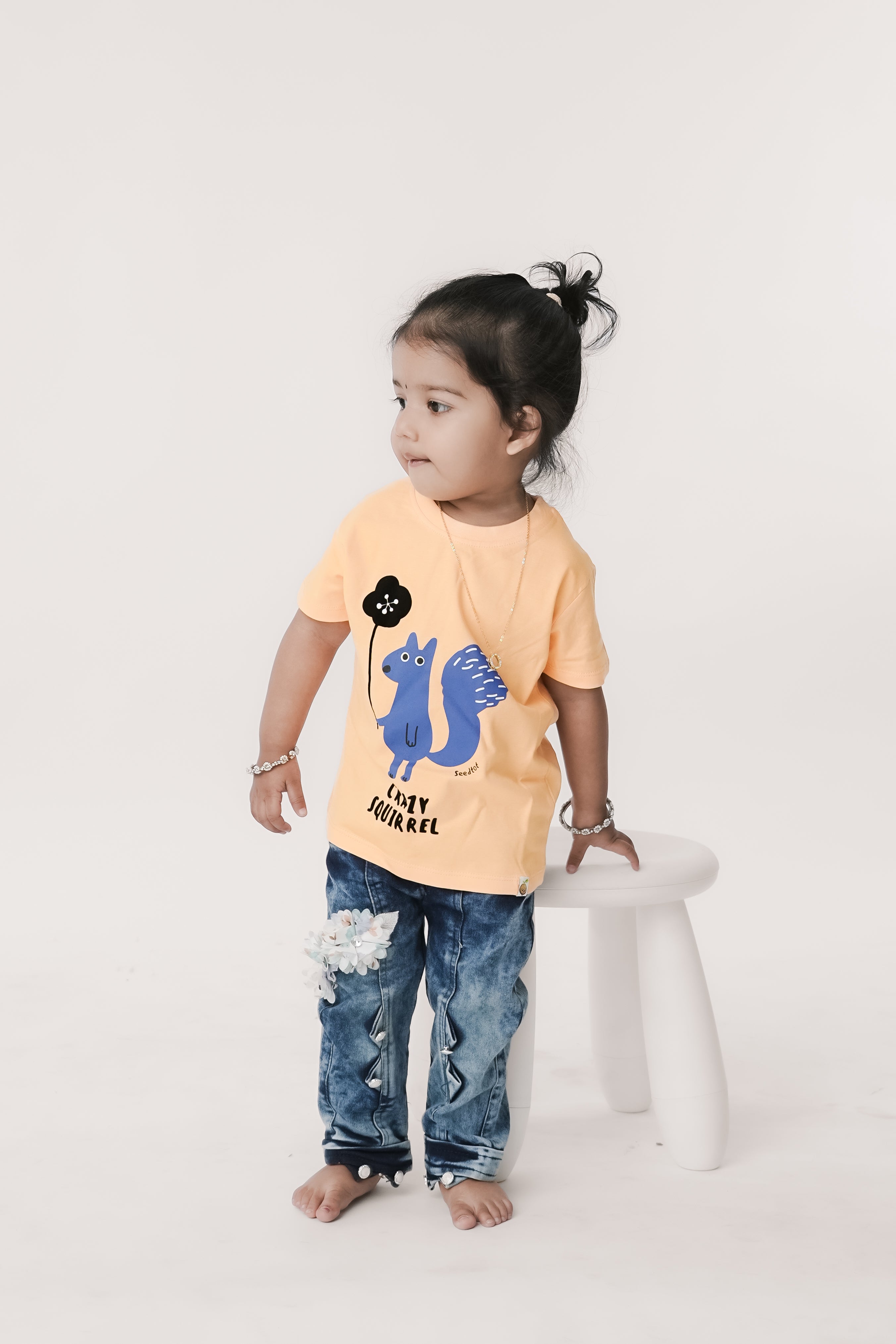


🌿 Your order supports a greener planet!
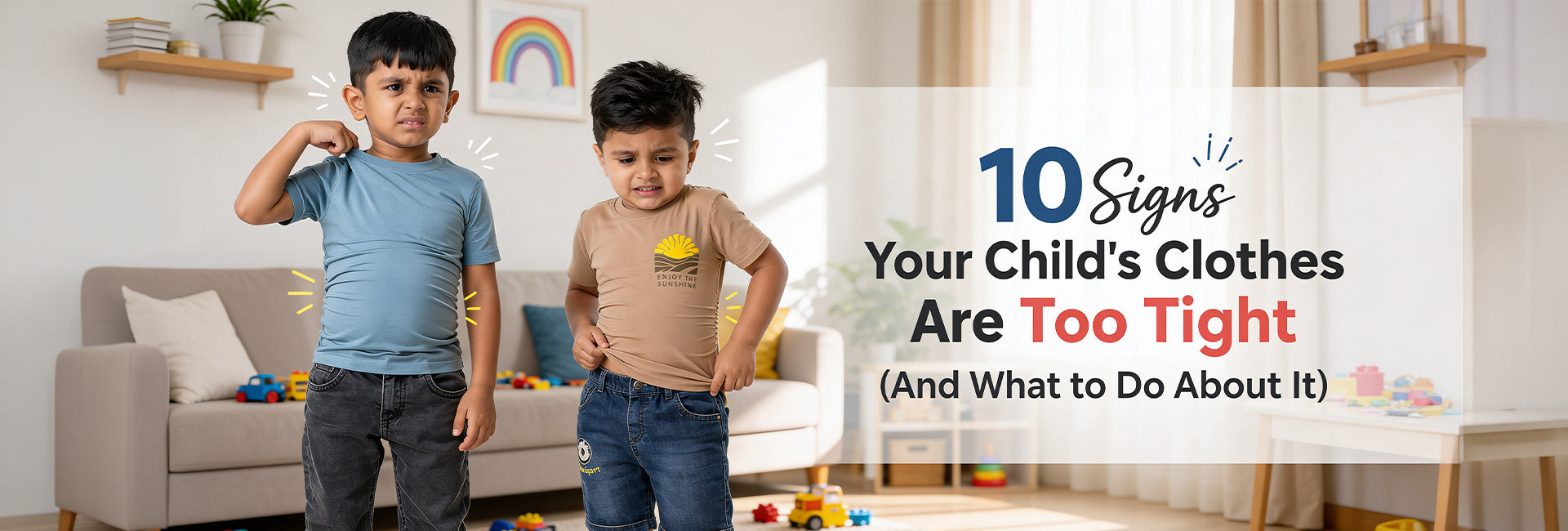
Kids grow fast, sometimes faster than we notice. One week, a favourite t-shirt fits perfectly, and the next week it's pulling at the shoulders and leaving red marks around the waist. The tricky part is that children often don't complain about discomfort, especially younger ones who may not have the words to describe how they feel.
As a parent, knowing how to identify when kids' clothes are too tight can prevent unnecessary discomfort, skin irritation, and, in some cases, long-term physical issues.
This guide walks you through 10 clear signs that your child has outgrown their clothing and exactly what you can do about it.
Before jumping into the signs, it's worth understanding why proper fit is so important. Children's bodies are constantly developing. Muscles, bones, and joints are forming, and movement plays a huge role in healthy growth. Tight clothes can restrict natural movement, cause skin irritation, and even affect breathing and digestion when worn regularly over long periods.
Beyond the physical, there's also a comfort and confidence angle. A child who feels physically uncomfortable in their clothes may become irritable, resistant to dressing, or reluctant to play freely. Getting the fit right is one of the simplest ways to support your child's wellbeing every day.
This is one of the most visible and telling signs that clothes are too small for a child. If you notice red indentation lines around the waist, thighs, armpits, or wrists after undressing your child, the fabric has been pressing too firmly against the skin. Occasional light marks may be normal, but deep or lingering impressions are a clear signal that something doesn't fit.
When dressing your child becomes a tug-of-war, pulling waistbands over hips or wiggling arms through tight sleeves, it's a strong indicator of children's clothing size problems. Clothes should slide on with ease and minimal resistance. If it's a daily struggle, it's time to size up.
Take a close look at how your child's clothes sit on their body. Fabric that bunches across the belly, pulls tightly across the chest, or stretches visibly at the buttons and seams is under strain. This isn't just an aesthetic issue; it means the garment no longer has room to accommodate your child's frame comfortably.
Children who are frequently pulling at their waistband, yanking their shirt down, or adjusting their collar throughout the day are signalling discomfort. When clothes fit well, children forget they're wearing them. Constant fidgeting is one of the clearest behavioural tight clothes symptoms in children, even if they never directly complain.
Watch your child as they play, run, squat, or climb. Do they seem hesitant to move freely? Do they struggle to lift their arms overhead or bend their knees without the fabric pulling? Clothes that limit a child's range of motion are too tight, plain and simple. Good kids' clothing should move with the body, not against it.
When children verbalise their discomfort, they often describe it as itching, a scratchy feeling, or something "hurting." These are common tight clothes symptoms in children that parents sometimes mistake for a skin reaction. Before reaching for a cream or antihistamine, check whether the clothing itself might be the culprit.
Tight waistbands are among the most common children's clothing size problems, particularly with trousers, shorts, and skirts. If the waistband digs into your child's belly or leaves a visible indentation that takes a while to fade, it's too snug. A well-fitting waistband should sit comfortably without pressing in, even after a full day of wear.
If your child's t-shirts or tops keep riding up and exposing their midriff, the garment is likely too short in the torso. This is a common sign that kids' clothes are too tight vertically, not just around the body. It can also mean the sleeves are pulling upward, which causes discomfort at the underarms.
When trousers are both too short and tight around the thighs or bottom, it's a double sign that your child has grown out of that size. Trousers that sit above the ankle while also stretching at the seat are not just uncomfortable; they restrict circulation in the legs during long periods of sitting, such as at school.
Sometimes children simply refuse to wear specific items without being able to explain why. If your child consistently avoids a particular pair of jeans, a favourite dress, or a shirt they used to love, pay attention. This resistance is often their way of communicating discomfort. Knowing how to know if kids' clothes are too tight means listening to behaviour as much as what you can see.
This is a question many parents ask, and the answer is nuanced. In the short term, tight clothes can cause skin irritation, chafing, and discomfort. Tight waistbands worn consistently over time can cause mild digestive discomfort by putting pressure on the abdomen.
For very young children whose bodies are in active developmental stages, highly restrictive clothing that limits movement may interfere with their ability to practise the physical skills they're developing, such as crawling, walking, climbing, and stretching. Freedom of movement is essential during these years.
That said, the occasional tight outfit won't cause permanent harm. The concern is more about consistent, daily wear of clothing that doesn't fit properly. The key takeaway is that comfort and fit directly support a child's ability to move, play, and grow with ease.
Every season is a good time to go through your child's wardrobe and check each item for fit. Lay clothes out and visually assess them, or have your child try them on. Remove anything that shows signs of being too tight and set it aside for donation or passing on.
When shopping for new clothes, prioritise soft, breathable, and slightly stretchy natural fabrics like cotton. Cotton is gentle on skin, allows air circulation, and has a natural give that accommodates movement. Stiff or non-stretch synthetic fabrics are far less forgiving when a child grows, which can make sizing problems more apparent sooner.
At SeedTot, all kids' clothing is crafted from 100% premium cotton, soft enough for sensitive skin and flexible enough for all-day play. When the fabric works with your child's body rather than against it, fit issues become more comfortable to manage even during growth transitions.
When in doubt, go a size up rather than a size down. Clothes often shrink slightly after washing, and a slightly larger size gives room for growth. A well-cut, slightly roomier garment will always be more comfortable and more versatile than something that fits too snugly on the first wear.
Look for clothing with adjustable waistbands, elasticated cuffs, or roll-up hem options. These features allow one garment to work comfortably across a wider range of sizes, giving your child more time in each piece before it needs to be replaced.

